


Feeling hurt or being wounded is unfortunately a life experience that all of us deal with. The difficulty is that we get stuck in these feelings not recognizing that we have choices which can lead to less suffering. Three elements come into play when we become wounded.
1. We take things too personally - When we take things too personally we assume that we know everything that is going on with the person who has hurt us. We judge their behavior not totally understanding what has happened in their life and the pain they may have experienced which has brought them to the place when the woundedness happened.
2 We blamed others for how we felt. - We forget that we are looking at the situation through our perceptual lenses tinted by our own emotional baggage – much of which we are unaware of. Instead of owning our shortcomings which is something we do not want to see within ourselves we can only see this behavior in others, not taking responsibility for our own behavior.
3 We get caught in the victim role - We have a tremendous investment in holding on to our pain so we can blame others, proving that I am right and you are wrong. When we choose to hold on to our pain what we are actually doing is pointing an accusing finger at the wrongdoer saying I am the innocent victim.
How do we begin to heal our wounds? The first step is an awareness process of what we are doing so that we can make other choices. If you can remember the three ingredients just mentioned you are well on your way to emotional freedom. As you tell your story, look at these three elements. By using the knowledge you are gaining about yourself you can hopefully gain insight into your own emotional reactions and begin to see the situation differently. Hopefully you will be able to handle your pain more skillfully.
Exercise: If you have written a story from the past posts you may want to revisit it and ask yourself in what way have I taken this situation too personally and how can I see it differently? Or pick a situation where you needed to forgive someone and write your story down. Then ask yourself:
• How can I see the perpetrator differently?
• What do I need to do to take responsibility for my own emotional reactions?
• What is it about myself that is hard to acknowledge which I blame others for?
Remember, we cannot change what has happened to us but we can change the way we respond to it and grow stronger as a result of the situation we find ourselves in. Life will always through us curve balls and we do not need to create more pain for ourselves as a result of the situations we find ourselves in.
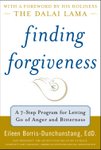
For more information on learning how to forgive go to “Finding Forgiveness: A 7 Step Program for Letting go of Anger and Bitterness” by Dr. Eileen R. Borris-Dunchunstang.
Showing posts with label marriage. Show all posts
Showing posts with label marriage. Show all posts
Friday, March 5, 2010


Friday, February 26, 2010
You don't have to be a Victim Anymore
Have you been hurt in a small or big way? The truth is all of us have been wounded through out our lives. Someone may not have come through in the way we wanted them too or hoped for. Or perhaps someone lied to us or abandoned us. We are wounded because something happened in our life which we didn't want to happen and in many cases we become overwhelmed with what took place. We probably lacked the skills to confront the reality of things not turning out the way we had hoped. Without the skills to handle the situation in the very best way, we become wounded.
When we experience a painful life event we often react with anger or depression. You hold on to that life experience not realizing that the specifics of what happened are not as important as learning how to deal with your reactions to your experience. Whatever has happened to you, adding difficult emotions adds to your pain.
Are you someone who has trouble letting go of the past? Do you get tired of all the time you dwell over something which happened yesterday? Remember, you have a choice as to how much time you will spend on thinking about something that has caused you pain.
To help you let go of your past you may want to write about what has happend. Before you do take a few deep relaxing breathes and when you feel relaxed think of a situation in your life which has created pain. When you have the situation clearly in your mind write your story down. What happened that may have led up to the situation, the situation itself and its aftermath. Think not only about what happened but also how you felt about it. Then ask yourself:
1. How much time are you willing to think about your hurt and/or disappointment?
2. When you think about these hurts how much intensity is there?
3. Why haven't you thought of all the good in your life with the same intensity as your pain?
The answer to these questions are an indication of the depth of your forgiveness work. Just because painful things have happened it doesn't mean that you need to dwell on this. The importance of these questions is not to deny that people have hurt you, they are to help you recognize that we get into habits. The more we think of the negative, the deeper the groove becomes in our mind. After awhile that groove is so deep that it becomes difficult to break out of that groove. We always have choice and if you keep dwelling on something you give those thoughts power. What you focus your attention on is what you become. If you focus on your pain that is what you will experience. If you focus on forgiveness your world will begin to look very different.
You can find more information on how to forgive in "Finding Forgiveness: A 7 Step Program for Letting go of Anger and Bitterness" published by McGraw-Hill.
When we experience a painful life event we often react with anger or depression. You hold on to that life experience not realizing that the specifics of what happened are not as important as learning how to deal with your reactions to your experience. Whatever has happened to you, adding difficult emotions adds to your pain.
Are you someone who has trouble letting go of the past? Do you get tired of all the time you dwell over something which happened yesterday? Remember, you have a choice as to how much time you will spend on thinking about something that has caused you pain.
To help you let go of your past you may want to write about what has happend. Before you do take a few deep relaxing breathes and when you feel relaxed think of a situation in your life which has created pain. When you have the situation clearly in your mind write your story down. What happened that may have led up to the situation, the situation itself and its aftermath. Think not only about what happened but also how you felt about it. Then ask yourself:
1. How much time are you willing to think about your hurt and/or disappointment?
2. When you think about these hurts how much intensity is there?
3. Why haven't you thought of all the good in your life with the same intensity as your pain?
The answer to these questions are an indication of the depth of your forgiveness work. Just because painful things have happened it doesn't mean that you need to dwell on this. The importance of these questions is not to deny that people have hurt you, they are to help you recognize that we get into habits. The more we think of the negative, the deeper the groove becomes in our mind. After awhile that groove is so deep that it becomes difficult to break out of that groove. We always have choice and if you keep dwelling on something you give those thoughts power. What you focus your attention on is what you become. If you focus on your pain that is what you will experience. If you focus on forgiveness your world will begin to look very different.
You can find more information on how to forgive in "Finding Forgiveness: A 7 Step Program for Letting go of Anger and Bitterness" published by McGraw-Hill.
Friday, February 19, 2010
The Forgiveness Person of the Week - Tiger Woods
Today is the day that Tiger Woods is to give a statement and ask for forgiveness for his transgressions. There will probably be a great deal of speculation about Tiger's sincerity. As I was thinking about this my thoughts drifted to the movie "invictus," and to the poem below. I cannot judge what is going on inside of Tiger Woods. All I can say is that change and growth must start from where we are. Forgiveness is an act of courage, helping as realized that we do have strength within ourselves. Forgiveness can be very freeing, and it heals both victim and offender. When we listen to Tiger Woods we should not just be observers, reacting to what is being said. Let him remind us that we too can initiate forgiveness in our own lives. As the poem Invictus says, "I am the master of my fate: I am the captain of my soul." We all make a difference in this world and our words and actions affect others. We should focus on being the captain of our soul and face our challenges and not judge others. By practicing forgiveness with sincerity in our own lives we are given the ability to soar above our difficulties. Let us hope that this gift is given to Tiger Woods as well.
Invictus
By William Ernest Henley
Out of the night that covers me,
Black as the pit from pole to pole,
I thank whatever gods may be
For my unconquerable soul.
In the fell clutch of circumstance
I have not winced nor cried aloud.
Under the bludgeonings of chance
My head is bloody, but unbowed.
Beyond this place of wrath and tears
Looms but the Horror of the shade,
And yet the menace of the years
Finds and shall find me unafraid.
It matters not how strait the gate,
How charged with punishments the scroll,
I am the master of my fate:
I am the captain of my soul.
For more information on how to forgive and to be inspired by others who have been able to forgive please go to "Finding Forgiveness: A 7 Step Program for Letting go of Anger and Bitterness." If you want to learn more about forgiveness you can also visit my website www.dreileenborris.com.
Thursday, February 11, 2010
When Our Pain Returns - Finding Forgiveness
It would be so nice if when we told our painful stories of the past, all our suffering would magically disappear. Unfortunately it doesn’t happen like that. Many of us get stuck in the quagmire of our emotions not letting the ghosts of the past be in the past. How can we work through these emotions? We heal our emotions by feeling them completely. The only way we can get to the other side is by walking through that door. Yes, it hurts yet the paradox is that when we give ourselves permission to feel our emotions completely, we begin to dissipate its energy. One of the reasons why we struggle so much with forgiveness is that we want to avoid feeling pain, but in order to finally let our emotional burdens go, we have to know what’s there.
Forgiveness is a process that usually takes time. If done fully, forgiveness changes us in a very fundamental way. It changes our thinking and creates within us a new way of being in this world. When we become a person who can forgive, then we find the ultimate freedom forgiveness brings. This freedom expands our consciousness giving us the gift of an all encompassing love. Challenging ourselves to grow beyond our “small” selves is difficult and yet it reaps great rewards.
So what are the ways you can begin to let go of your past? Soul searching is a good starting point. Take out your journal and ask yourself the following questions.
• Do you really want to forgive this person? It’s ok if you don’t – and if that is the case just be gentle with yourself. It is healthier to be able to acknowledge that then to say “I forgive” when you are still seething inside. Working with our emotions takes time. There are also times when we feel that we “should” forgive someone for a variety of reasons. This never works. Forgive is a choice, a voluntary act and if it is forced resentment builds just beneath the surface.
• Do you want to step out of being a victim? If not why is it that you are choosing to hold on to your anger and/or guilt? This question is a hard one. All of us are invested in being stuck in the victim role. Do you want to get back at someone by being the innocent victim, showing the world how much you are suffering at the hands of another? Remember, we disempower ourselves when we are stuck in the victim role, blaming others and not taking responsibility for our own lives. Conversely we empower ourselves when we take responsibility for our emotional well being. Often it is our feelings of guilt that keeps us stuck. We may not feel that we deserve feeling better or we feel guilty that someone else may have suffered and not us. When this happens ask yourself, what is under these feelings – why do I want to beat myself up? Why am I not willing to love and nurture myself? Remember – holding on to guilt is a choice too.
• Do you really want to heal? This is another hard question and be gentle with yourself with whatever comes up. The important issue here is to be aware that you are making choices, awareness being the first step in any healing process.
As I have mentioned before – forgiveness takes work. Being honest, loving and gentle with yourself will take you on the road to recovery. Get help if you need too for you do not need to do this work on your own. And remember, you are not alone.
Forgiveness is a process that usually takes time. If done fully, forgiveness changes us in a very fundamental way. It changes our thinking and creates within us a new way of being in this world. When we become a person who can forgive, then we find the ultimate freedom forgiveness brings. This freedom expands our consciousness giving us the gift of an all encompassing love. Challenging ourselves to grow beyond our “small” selves is difficult and yet it reaps great rewards.
So what are the ways you can begin to let go of your past? Soul searching is a good starting point. Take out your journal and ask yourself the following questions.
• Do you really want to forgive this person? It’s ok if you don’t – and if that is the case just be gentle with yourself. It is healthier to be able to acknowledge that then to say “I forgive” when you are still seething inside. Working with our emotions takes time. There are also times when we feel that we “should” forgive someone for a variety of reasons. This never works. Forgive is a choice, a voluntary act and if it is forced resentment builds just beneath the surface.
• Do you want to step out of being a victim? If not why is it that you are choosing to hold on to your anger and/or guilt? This question is a hard one. All of us are invested in being stuck in the victim role. Do you want to get back at someone by being the innocent victim, showing the world how much you are suffering at the hands of another? Remember, we disempower ourselves when we are stuck in the victim role, blaming others and not taking responsibility for our own lives. Conversely we empower ourselves when we take responsibility for our emotional well being. Often it is our feelings of guilt that keeps us stuck. We may not feel that we deserve feeling better or we feel guilty that someone else may have suffered and not us. When this happens ask yourself, what is under these feelings – why do I want to beat myself up? Why am I not willing to love and nurture myself? Remember – holding on to guilt is a choice too.
• Do you really want to heal? This is another hard question and be gentle with yourself with whatever comes up. The important issue here is to be aware that you are making choices, awareness being the first step in any healing process.
As I have mentioned before – forgiveness takes work. Being honest, loving and gentle with yourself will take you on the road to recovery. Get help if you need too for you do not need to do this work on your own. And remember, you are not alone.
Wednesday, February 3, 2010
GOT ANGER?
“Fry those Bastards! I want Timothy McVeigh and Terry Nichols hanged no trials necessary.” These were the words of Bud Welch whose 23 year old daughter was killed in the bombing of the Murrah Federal Building in Oklahoma City. “From the moment I learned it was a bomb I survived on anger and hate.”
Bud’s anger was focused on Timothy McVeigh and Terry Nichols, and like so many others, Bud wished for their speedy conviction and execution. “I was opposed to the death penalty all my life until my daughter Julie Marie was killed in the Oklahoma City bombing. For many months after the bombing I could have killed Timothy McVeigh myself. Temporary insanity is real, and I have lived it. You can’t think of enough adjectives to describe the anger and hatred I felt. But after time, I was able to examine my conscience, and I realized that if McVeigh is put to death, it won’t help me in the healing process. People talk about executions bringing closure. But how can there be closure when my little girl is never coming back. I finally realized that the death penalty is all about revenge and hate, and revenge and hate are why Julie Marie and 167 others are died.”
When Bud saw McVeigh’s father on television a few months after the bombing, his emotions began to change. He realized that “this man has lost a child too.” Bud eventually arranged to meet with Timothy McVeigh’s father, Bill. “I saw a deep pain in a father’s eye, but also an incredible love for his son.” Bud says, “I was able to tell him that I truly understood the pain that he was going through, and that he – as I – was a victim of what happened in Oklahoma City.”
Not all of us could come to this conclusion so quickly. Yet before Bud could get to this place of recognizing that both fathers were dealing with a painful lose he had to deal with his personal healing. What Bud was able to accomplish you too will be able to do, if you choose.
Step Three: Working with Anger. Anger tells us that our circumstances need to change. If we can’t let go of our anger it is also telling us that we need to change. This is the time when we get into the trenches of our emotions and have the difficult dialogue with ourselves about what happened and how we will choose to deal with it in a healing capacity. It is the time when we roll up our sleeves and become very honest with ourselves. Our tendencies are to want to feel sorry for ourselves and stay stuck in a victim role. By playing “poor me,” we disempower ourselves or continue to play the blame game and not take responsibility or positive action in our lives. Instead of seeing the situation as the good guy versus the bad guy, we would be better served to learn the lessons our emotions are trying to teach us and to understand what is making the person behave that way.
This is a difficult phase because it requires introspection and honest soul searching. Although we may think we are angry at someone, else if we are having difficulty letting go of anger it is an indication that we are in the need of healing. Don’t be afraid to dialogue with the anger inside of you. Ask your anger what it wants to tell you. You can have this conversation be either writing down whatever comes to mind or sharing what is inside of you with someone you trust. Honor what your anger says to you. You may need to journal many times focusing on your anger. You can also draw it. There may be multiple meanings to your anger. Your anger could be protecting you. It could also be telling you what you need to do to heal.
The question you need to ask yourself is “What am I accusing the other person of?” because the truth is that is what we are secretly accusing ourselves of. Our egos are slippery snakes so the content will be different but the form will be the same. For example we may never betray our spouse by being unfaithful but have we ever been unfaithful to ourselves? When we can look at that within ourselves we can begin to recognize the humanity in your spouse. This is not to say that you don’t take appropriate action to protect yourself. By seeing that we are all capable of betrayal it will help as let go of our anger around the situation and have greater peace of mind.
Bud’s anger was focused on Timothy McVeigh and Terry Nichols, and like so many others, Bud wished for their speedy conviction and execution. “I was opposed to the death penalty all my life until my daughter Julie Marie was killed in the Oklahoma City bombing. For many months after the bombing I could have killed Timothy McVeigh myself. Temporary insanity is real, and I have lived it. You can’t think of enough adjectives to describe the anger and hatred I felt. But after time, I was able to examine my conscience, and I realized that if McVeigh is put to death, it won’t help me in the healing process. People talk about executions bringing closure. But how can there be closure when my little girl is never coming back. I finally realized that the death penalty is all about revenge and hate, and revenge and hate are why Julie Marie and 167 others are died.”
When Bud saw McVeigh’s father on television a few months after the bombing, his emotions began to change. He realized that “this man has lost a child too.” Bud eventually arranged to meet with Timothy McVeigh’s father, Bill. “I saw a deep pain in a father’s eye, but also an incredible love for his son.” Bud says, “I was able to tell him that I truly understood the pain that he was going through, and that he – as I – was a victim of what happened in Oklahoma City.”
Not all of us could come to this conclusion so quickly. Yet before Bud could get to this place of recognizing that both fathers were dealing with a painful lose he had to deal with his personal healing. What Bud was able to accomplish you too will be able to do, if you choose.
Step Three: Working with Anger. Anger tells us that our circumstances need to change. If we can’t let go of our anger it is also telling us that we need to change. This is the time when we get into the trenches of our emotions and have the difficult dialogue with ourselves about what happened and how we will choose to deal with it in a healing capacity. It is the time when we roll up our sleeves and become very honest with ourselves. Our tendencies are to want to feel sorry for ourselves and stay stuck in a victim role. By playing “poor me,” we disempower ourselves or continue to play the blame game and not take responsibility or positive action in our lives. Instead of seeing the situation as the good guy versus the bad guy, we would be better served to learn the lessons our emotions are trying to teach us and to understand what is making the person behave that way.
This is a difficult phase because it requires introspection and honest soul searching. Although we may think we are angry at someone, else if we are having difficulty letting go of anger it is an indication that we are in the need of healing. Don’t be afraid to dialogue with the anger inside of you. Ask your anger what it wants to tell you. You can have this conversation be either writing down whatever comes to mind or sharing what is inside of you with someone you trust. Honor what your anger says to you. You may need to journal many times focusing on your anger. You can also draw it. There may be multiple meanings to your anger. Your anger could be protecting you. It could also be telling you what you need to do to heal.
The question you need to ask yourself is “What am I accusing the other person of?” because the truth is that is what we are secretly accusing ourselves of. Our egos are slippery snakes so the content will be different but the form will be the same. For example we may never betray our spouse by being unfaithful but have we ever been unfaithful to ourselves? When we can look at that within ourselves we can begin to recognize the humanity in your spouse. This is not to say that you don’t take appropriate action to protect yourself. By seeing that we are all capable of betrayal it will help as let go of our anger around the situation and have greater peace of mind.
Wednesday, January 27, 2010
Will I ever get over it and be able to Forgive?
I remember a friend telling me how long it took her to realize and fully understand that the best thing she could do was to forgive her husband when he walked out on her. In the beginning she was devastated. She felt so stupid that she did not see the “handwriting on the wall.” After all, she loved him and wanted the marriage to work. Yes, there was emotional abuse but she never expected betrayal and certainly not infidelity.
As Kathy continued telling me her story I encouraged her to go deep within herself and allow whatever she was feeling to come out. There was so much anger, grief, pain and shame; so many emotions that at times she wanted to scream, then cry making her feel sick inside. We’ve all been there, feeling that these memories will be seared in our hearts and minds always to return with unexpected emotional force.
Yet, telling your story is the beginning of your healing process. When you feel able, talk about what happened to someone you trust and who will be supportive of you. Tell your story as completely as possible including not only the emotions you are feeling as you tell the story, but what was going on inside of you as the events began to unfold. When you first tell your story, it may be incomplete. You ma need to retell your story to bring all the pieces together, what your feelings were, the meaning of what happened to you and perhaps to those around you. Talk about the question of guilt and responsibility. This may help you later in reconstructing a system of belief that makes sense of undeserved suffering. Remember to breathe as you tell your story. Breathing will help you manage strong emotions. If it is too difficult to tell your story, write about it or draw your story.
An exercise that can help you with your healing process is to do some journaling. Think of a situation where you feel you need to forgive someone and want to work through your painful emotions. Write your story describing what took place in detail. What happened to you and what possibly led up to the situation that you may not have been aware of at first. What were your thoughts and feelings and what meaning did you give to the event. What are your attitudes and beliefs about what happened. If there are several events, develop a separate script for each one. Don’t be surprised if new memories are recovered as you explore old ones. Write down everything you feel about the situation and the person causing you pain. Allow a stream of consciousness to flow across the pages of your journal and spare nothing. Remember that this is your private journal for no one else to see. After you have written everything down, ask yourself, “If I were face to face with this person, what would I say?” Let out the anger and the hurt in what you write and keep on writing until there is nothing left to say. Some questions to think about are “Why did this situation happen to me?”, and “What happened in that other person’s life that may have caused pain and brought him/her to the place they are today?”
You may need to rework your story until you have all the pieces together and that is ok. In my next blog I will help you deal with your strong emotions that you may be having difficulty with and how to put your emotional life back together again.
As Kathy continued telling me her story I encouraged her to go deep within herself and allow whatever she was feeling to come out. There was so much anger, grief, pain and shame; so many emotions that at times she wanted to scream, then cry making her feel sick inside. We’ve all been there, feeling that these memories will be seared in our hearts and minds always to return with unexpected emotional force.
Yet, telling your story is the beginning of your healing process. When you feel able, talk about what happened to someone you trust and who will be supportive of you. Tell your story as completely as possible including not only the emotions you are feeling as you tell the story, but what was going on inside of you as the events began to unfold. When you first tell your story, it may be incomplete. You ma need to retell your story to bring all the pieces together, what your feelings were, the meaning of what happened to you and perhaps to those around you. Talk about the question of guilt and responsibility. This may help you later in reconstructing a system of belief that makes sense of undeserved suffering. Remember to breathe as you tell your story. Breathing will help you manage strong emotions. If it is too difficult to tell your story, write about it or draw your story.
An exercise that can help you with your healing process is to do some journaling. Think of a situation where you feel you need to forgive someone and want to work through your painful emotions. Write your story describing what took place in detail. What happened to you and what possibly led up to the situation that you may not have been aware of at first. What were your thoughts and feelings and what meaning did you give to the event. What are your attitudes and beliefs about what happened. If there are several events, develop a separate script for each one. Don’t be surprised if new memories are recovered as you explore old ones. Write down everything you feel about the situation and the person causing you pain. Allow a stream of consciousness to flow across the pages of your journal and spare nothing. Remember that this is your private journal for no one else to see. After you have written everything down, ask yourself, “If I were face to face with this person, what would I say?” Let out the anger and the hurt in what you write and keep on writing until there is nothing left to say. Some questions to think about are “Why did this situation happen to me?”, and “What happened in that other person’s life that may have caused pain and brought him/her to the place they are today?”
You may need to rework your story until you have all the pieces together and that is ok. In my next blog I will help you deal with your strong emotions that you may be having difficulty with and how to put your emotional life back together again.
Monday, January 25, 2010
Why is Learning how to forgive so Hard?
We have all been there. Someone hurts us and for a moment we may wish to see them suffer as much as we are suffering now. The injury has just happened and emotions are churning within us, sometimes to the point of us feeling overwhelmed. While we may not want to forgive someone when we are first injured, nor necessarily should we, if we choose to lead a life where forgiveness is an integral part of it, our first step is to understand the meaning of forgiveness.
In past posts I have spoken about what forgiveness means and I would like to review a few of the most important points here.
* Forgiveness is about your inner healing, a release of your pain and not about letting someone else off the hook.
* Forgiveness is about changing the way we think and for most of us, this takes time. It is about changing our perceptions so we can see the situation differently, not through our anger, fear or guilt but through understanding and compassion.
* Forgiveness is the highest form of love that we can extend to others. It is the greatest gift we can give not only to others but especially to ourselves.
For the next few weeks I will take you step by step through a forgiveness process to help you heal the pain in your life. The first step in the forgiveness process is to truly understanding the meaning of forgiveness and to realize that it is for our benefit more than anyone else. Forgiveness is not something we should do to be good people. It is something that we want to do because we know that forgiveness will ultimately give us peace of mind and lead us towards richer fuller lives. When we understand this we can begin to move forward. Then we can look at the incident that has brought us pain. Remember, it is normal to feel angry and natural to want some form of revenge. Do not judge yourself if this is your experience. I often tell my clients if they are feeling overwhelmed with anger and a need for revenge to write out their revenge fantasy. This helps give our emotions voice and helps us to ultimately realize that revenge will not get us what we really want. When we come to this understanding we have just opened the door to the possibility of forgiveness and have started step one of our personal journey towards forgiveness.
To begin your journey ask yourself:
* How clear is my understanding about forgiveness and do I need to talk to someone who can help me better understand what forgiveness is about?
* Is there someone in my life that I am harboring anger and resentment towards and am I having difficulty with these emotions?
* How willing am I in wanting to forgive?
As you answer these questions you will learn something about yourself. In the coming posts I will continue taking you down the path of forgiveness teaching the steps to follow. Further information can be found in “Finding Forgiveness: A 7 Step Program for Letting go of Anger and Bitterness.”
In past posts I have spoken about what forgiveness means and I would like to review a few of the most important points here.
* Forgiveness is about your inner healing, a release of your pain and not about letting someone else off the hook.
* Forgiveness is about changing the way we think and for most of us, this takes time. It is about changing our perceptions so we can see the situation differently, not through our anger, fear or guilt but through understanding and compassion.
* Forgiveness is the highest form of love that we can extend to others. It is the greatest gift we can give not only to others but especially to ourselves.
For the next few weeks I will take you step by step through a forgiveness process to help you heal the pain in your life. The first step in the forgiveness process is to truly understanding the meaning of forgiveness and to realize that it is for our benefit more than anyone else. Forgiveness is not something we should do to be good people. It is something that we want to do because we know that forgiveness will ultimately give us peace of mind and lead us towards richer fuller lives. When we understand this we can begin to move forward. Then we can look at the incident that has brought us pain. Remember, it is normal to feel angry and natural to want some form of revenge. Do not judge yourself if this is your experience. I often tell my clients if they are feeling overwhelmed with anger and a need for revenge to write out their revenge fantasy. This helps give our emotions voice and helps us to ultimately realize that revenge will not get us what we really want. When we come to this understanding we have just opened the door to the possibility of forgiveness and have started step one of our personal journey towards forgiveness.
To begin your journey ask yourself:
* How clear is my understanding about forgiveness and do I need to talk to someone who can help me better understand what forgiveness is about?
* Is there someone in my life that I am harboring anger and resentment towards and am I having difficulty with these emotions?
* How willing am I in wanting to forgive?
As you answer these questions you will learn something about yourself. In the coming posts I will continue taking you down the path of forgiveness teaching the steps to follow. Further information can be found in “Finding Forgiveness: A 7 Step Program for Letting go of Anger and Bitterness.”
Tuesday, January 19, 2010
Why Do We Forgive?
Forgiveness takes us on a journey from the very pragmatic to the very sublime depending on our willingness to travel within the depth of our being. Our journey begins usually when our reality had been shattered and the pain of these broken pieces sears our heart. Over time the pain we carry becomes overwhelming and we think about what we can do to lessen our emotional burden. Perhaps this is the time we ask “Why Do We Forgive?” We forgive for a number of reasons. The list may include:
1. You want to stop being an angry person
2. You realize that holding on to this emotional burden is literally killing you.
3. The relationship which caused you pain is worth trying to fix.
4. You believe in the moral goodness of forgiveness.
Before we embark in learning how to forgive and begin to explore the mysteries of forgiveness I would like you to think about times in your life that you chose the path of forgiveness. Ask yourself, “Why did I forgive?” If you are struggling with a painful situation in your life now ask yourself what forgiveness can bring to you.
To start you on your journey of forgiveness I offer this simple exercise. Sit in a comfortable place where your back is straight and not rigid and your feet are on the floor. Now gently close your eyes. Take a few deep relaxing breaths and as you do I would like you to think about a situation where you would like to release pain. As you think about your situation open your heart to the universal love that surrounds you. As you breathe in imagine this energy fill your entire being. Focus on this love as it permeates every cell of your being. As you breathe out release the pain that you are holding in your heart. Feel yourself become lighter and freer with each breathe you take. Once you are filled with this universal love with each inbreathe take full responsibility for your emotional reactions to your situation and as you breathe out, breathe out the compassionate radiance of healing and forgiveness. Allow yourself to feel inner peace as you gently open your eyes.
This is a powerful exercise. It may give you the courage to face your pain and to forgive the person who may have hurt you or betrayed you in any way. It may also answer the question “Why do we Forgive?”
1. You want to stop being an angry person
2. You realize that holding on to this emotional burden is literally killing you.
3. The relationship which caused you pain is worth trying to fix.
4. You believe in the moral goodness of forgiveness.
Before we embark in learning how to forgive and begin to explore the mysteries of forgiveness I would like you to think about times in your life that you chose the path of forgiveness. Ask yourself, “Why did I forgive?” If you are struggling with a painful situation in your life now ask yourself what forgiveness can bring to you.
To start you on your journey of forgiveness I offer this simple exercise. Sit in a comfortable place where your back is straight and not rigid and your feet are on the floor. Now gently close your eyes. Take a few deep relaxing breaths and as you do I would like you to think about a situation where you would like to release pain. As you think about your situation open your heart to the universal love that surrounds you. As you breathe in imagine this energy fill your entire being. Focus on this love as it permeates every cell of your being. As you breathe out release the pain that you are holding in your heart. Feel yourself become lighter and freer with each breathe you take. Once you are filled with this universal love with each inbreathe take full responsibility for your emotional reactions to your situation and as you breathe out, breathe out the compassionate radiance of healing and forgiveness. Allow yourself to feel inner peace as you gently open your eyes.
This is a powerful exercise. It may give you the courage to face your pain and to forgive the person who may have hurt you or betrayed you in any way. It may also answer the question “Why do we Forgive?”
Tuesday, June 30, 2009
Forgiveness helps you recognize that what you think you see is not there
What makes forgiveness so hard to achieve is that it requires us to recognize that what we think we see in each other is not really there. What happens to all of us is that we all have our "shadows" - things about ourselves we would rather not acknowledge. We do not want to see those parts of ourselves which we have judged to be negative. Instead we use this inner lens to view the rest of the world. To heal ourselves means owning all parts of ourselves so we can make different choices and to recognize that we are all capable of doing the same things given similar circumstances. That is what forgiveness teaches us. As "A Course in Miracles" (p401, section 1) has reminded us:
"Forgiveness recognizes what you thought your brother did to you has not occurred.
It does not pardon sins and make them real. It sees there was no sin.
And in that view are all your sins forgiven.
What is sin, except a false idea about God's Son?
Forgiveness merely sees its falsity,and therefore lets it go.
What then is free to take its place is now the Will of God."
"Forgiveness recognizes what you thought your brother did to you has not occurred.
It does not pardon sins and make them real. It sees there was no sin.
And in that view are all your sins forgiven.
What is sin, except a false idea about God's Son?
Forgiveness merely sees its falsity,and therefore lets it go.
What then is free to take its place is now the Will of God."
Thursday, January 15, 2009
Forgiving the Affair - Again
You love one another, so you really believed. Then the realization hits. Your significant other has cheated on you. You feel shaky inside, sick to your stomach wondering why did this ever happen to you. Anger and possibly anxiety begin to well up inside as you wonder what your next steps should be.
We have choices as to how to handle infidelity. Situations like this do not happen in a vacuum and always involve some form of healing and ultimately if you really want peace of mind, forgiveness can take you down that path.
Learning how to forgive the affair means that you are willing to let go of your anger and hatred. Here are some suggestions to help in healing your pain.
Don’t go through the pain alone. Talk to people who are supportive and will help you in a positive way.
Speak honestly to your significant other about what happened and especially about those difficult feelings and needs that both of you have that might not be getting met.
Recognize the importance of rebuilding the lost trust and love. If this can not happen it is telling you something about the relationship which you need to face and deal with. If you can not trust your partner there is no relationship.
Put yourself in each others shoes. This will give you a better understanding of why something like this happened. Again, you may not like what you see but it will give you a greater understanding of what may have happened and what brought your significant other to act unfaithfully. This understanding sets the stage for forgiveness to take place.
Allow yourself to mourn. Betrayals run deep and they hurt. Until you allow yourself to feel the pain, you will not be able to move past it and rebuild your life. No one wants to feel pain and the paradox is once you walk through that door the pain dissipates.
If you have worked through the difficult emotions and in your heart you truly want to forgiven you will get the help you need in what ever way this help speaks to you.
Remember that forgiveness is about your inner healing, not about letting someone else off the hook. You can forgive and chose not to stay in the relationship. The goal of forgiveness is about your inner peace. If your actions are motivated by compassion and understanding you will gain a greater clarity and wisdom in what is best for you and your relationship.
We have choices as to how to handle infidelity. Situations like this do not happen in a vacuum and always involve some form of healing and ultimately if you really want peace of mind, forgiveness can take you down that path.
Learning how to forgive the affair means that you are willing to let go of your anger and hatred. Here are some suggestions to help in healing your pain.
Don’t go through the pain alone. Talk to people who are supportive and will help you in a positive way.
Speak honestly to your significant other about what happened and especially about those difficult feelings and needs that both of you have that might not be getting met.
Recognize the importance of rebuilding the lost trust and love. If this can not happen it is telling you something about the relationship which you need to face and deal with. If you can not trust your partner there is no relationship.
Put yourself in each others shoes. This will give you a better understanding of why something like this happened. Again, you may not like what you see but it will give you a greater understanding of what may have happened and what brought your significant other to act unfaithfully. This understanding sets the stage for forgiveness to take place.
Allow yourself to mourn. Betrayals run deep and they hurt. Until you allow yourself to feel the pain, you will not be able to move past it and rebuild your life. No one wants to feel pain and the paradox is once you walk through that door the pain dissipates.
If you have worked through the difficult emotions and in your heart you truly want to forgiven you will get the help you need in what ever way this help speaks to you.
Remember that forgiveness is about your inner healing, not about letting someone else off the hook. You can forgive and chose not to stay in the relationship. The goal of forgiveness is about your inner peace. If your actions are motivated by compassion and understanding you will gain a greater clarity and wisdom in what is best for you and your relationship.
Tuesday, January 6, 2009
Forgiveness, Relationships and Marriage
Relationships and marriage are not easy. They take work to cultivate. Most often well meaning people come together and may not have the skills or the role models to know how to have a good marriage or relationship. As a psychologist and someone who gives coaching sessions and counsels people with relationship difficulties two golden rules come to mind. Remember to do 5 acts of kindness a day and to practice forgiveness. When we are kind to one another our emotional bonds become stronger and our emotional "reserves" with one another begins to build. None of us are perfect and this is where forgiveness comes in. We are all human and make mistakes. One of the greatest gifts we can give each other is to love one another unconditionally, recognizing that our judgments cloud the way we see each other. Forgiving one another helps us let go of our judgments and live happier, healthier lives.
Monday, December 15, 2008
Forgiving the Affair
You think your marriage is fine and then one day you notice something which you begin to wonder about. You begin to get anxious feelings that perhaps something is going on. At first you may ignore this and then something else triggers those uneasy feelings. You may deny what are actually tell tale signs until one day it hits you in the face. You are overcome with the sick feeling that your partner has been unfaithful. You may go into shock and when that begins to wear off you feel the rage.
Unfortunately many of us have been there. Some of us may want to do the revenge route; others may just want to kick our partner out and never see them again. Yet if we can think more rationally we also realize that we have possibly a history with this person that is worth preserving and that we in some way may have also contributed to the infidelity. This is when being opened to forgiveness can become the necessary healing force to bring people together.
How can we forgive a betrayal that can run so deeply in our hearts? We begin by telling our story to people who will listen and support us. We listen to our anger and ask ourselves, what is our anger really telling us. If we look deeply enough we will realize that our anger is telling us that something as to change, usually within ourselves. We also need to deal with our guilt, that horrible feeling that we sometimes feel within the pit of our stomach. Guilt is all of the negative beliefs we hold about ourselves. We need to remember that holding on to these feelings is a choice too. If we realize that we have done something wrong we acknowledge it and make a commitment to ourselves that now that we have seen something in ourselves that we want to chance we now can begin to make different choices. Then we put ourselves in the other person’s shoes and ask ourselves, what has brought that person to the place they are which brought them to act that way. In asking this question we are able to develop a clearer understanding of what may have happened. We will also need to mourn what was lost, the trust we once had and release that pain in whatever way speaks to us. Hopefully at this point we are able to sit down and talk to the other person. Everyone needs to take responsibility for their actions and their emotional responses. By doing your inner work you will be able to set the stage for what is best for you to do and heal the relationship. This kind of clarity will help you make the right choices, not out of anger but out of understanding so you can move forward in a healthy way. This is what forgiveness enables us to do.
Unfortunately many of us have been there. Some of us may want to do the revenge route; others may just want to kick our partner out and never see them again. Yet if we can think more rationally we also realize that we have possibly a history with this person that is worth preserving and that we in some way may have also contributed to the infidelity. This is when being opened to forgiveness can become the necessary healing force to bring people together.
How can we forgive a betrayal that can run so deeply in our hearts? We begin by telling our story to people who will listen and support us. We listen to our anger and ask ourselves, what is our anger really telling us. If we look deeply enough we will realize that our anger is telling us that something as to change, usually within ourselves. We also need to deal with our guilt, that horrible feeling that we sometimes feel within the pit of our stomach. Guilt is all of the negative beliefs we hold about ourselves. We need to remember that holding on to these feelings is a choice too. If we realize that we have done something wrong we acknowledge it and make a commitment to ourselves that now that we have seen something in ourselves that we want to chance we now can begin to make different choices. Then we put ourselves in the other person’s shoes and ask ourselves, what has brought that person to the place they are which brought them to act that way. In asking this question we are able to develop a clearer understanding of what may have happened. We will also need to mourn what was lost, the trust we once had and release that pain in whatever way speaks to us. Hopefully at this point we are able to sit down and talk to the other person. Everyone needs to take responsibility for their actions and their emotional responses. By doing your inner work you will be able to set the stage for what is best for you to do and heal the relationship. This kind of clarity will help you make the right choices, not out of anger but out of understanding so you can move forward in a healthy way. This is what forgiveness enables us to do.
Thursday, November 13, 2008
The Golden Rule and Forgiveness
After surviving the election season it is apparent to all of us the healing which needs to take place within our divided country. As I was thinking about this I began thinking about the Golden Rule that we hear so much about. The message is simple, "Do unto others as we would have them do unto us." Sounds simple and so often ignored.
As I was thinking about this I began to ask how is this related to forgiveness? What gets in our way of following the Golden Rule and to also forgive one another. In both cases in order for us to be the best people we possible can be we need to be willing to look within ourselves, understand what causes our pain which feeds into our anger and hatred towards others, and be willing to heal and learn from this.
Why am I linking these two concepts? We all have been hurt by neighbors be them next door or the next country. We ourselves can easily hurt others just by being inattentive or by being caught up in our own anger that we spew this out towards others not realizing that they too may be struggling not only with the everyday anxieties but with great sources of suffering. I think we have the Golden Rule to remind us of this. And we have forgiveness to help us become more compassionate, loving human beings.
This not only applies to how we deal with relationship difficulties, marriages, etc, it also applies to countries dealing with for example genocide such as Rwanda or Cambodia. People killing others such as in genocide are only thinking about their pain, their fears, and their needs. The thought of compassion is no where to be found. A suicide bomber is certainly not thinking about compassion when killing civilians.
As we can see the Golden Rule is simple and hard to follow. On a certain level forgiveness is also simple and yet very hard for us to do. The question is, "What are we willing to do to help us find strength to be more loving parents, spouses, brothers and sisters, friends and family members? And what are we willing to do to bring greater happiness into our lives?
As I was thinking about this I began to ask how is this related to forgiveness? What gets in our way of following the Golden Rule and to also forgive one another. In both cases in order for us to be the best people we possible can be we need to be willing to look within ourselves, understand what causes our pain which feeds into our anger and hatred towards others, and be willing to heal and learn from this.
Why am I linking these two concepts? We all have been hurt by neighbors be them next door or the next country. We ourselves can easily hurt others just by being inattentive or by being caught up in our own anger that we spew this out towards others not realizing that they too may be struggling not only with the everyday anxieties but with great sources of suffering. I think we have the Golden Rule to remind us of this. And we have forgiveness to help us become more compassionate, loving human beings.
This not only applies to how we deal with relationship difficulties, marriages, etc, it also applies to countries dealing with for example genocide such as Rwanda or Cambodia. People killing others such as in genocide are only thinking about their pain, their fears, and their needs. The thought of compassion is no where to be found. A suicide bomber is certainly not thinking about compassion when killing civilians.
As we can see the Golden Rule is simple and hard to follow. On a certain level forgiveness is also simple and yet very hard for us to do. The question is, "What are we willing to do to help us find strength to be more loving parents, spouses, brothers and sisters, friends and family members? And what are we willing to do to bring greater happiness into our lives?
Subscribe to:
Posts (Atom)